APPS


APPS


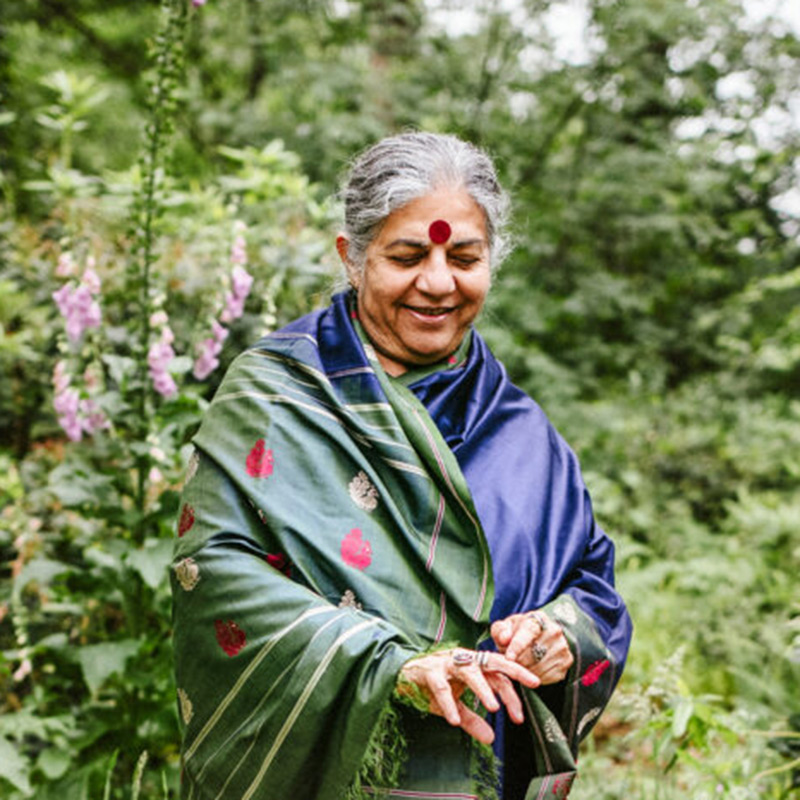
“We must overcome our anthropocentric arrogance and embrace nature’s wisdom - much like seeds, that multiply life rather than destroy it”, says Dr. Vandana Shiva. For over five decades, this physicist-turned-activist has been at the forefront of the fight for environmental justice, seed freedom and ecological agriculture. “We are just one species amongst millions. That realisation should inspire humility.”
Read more...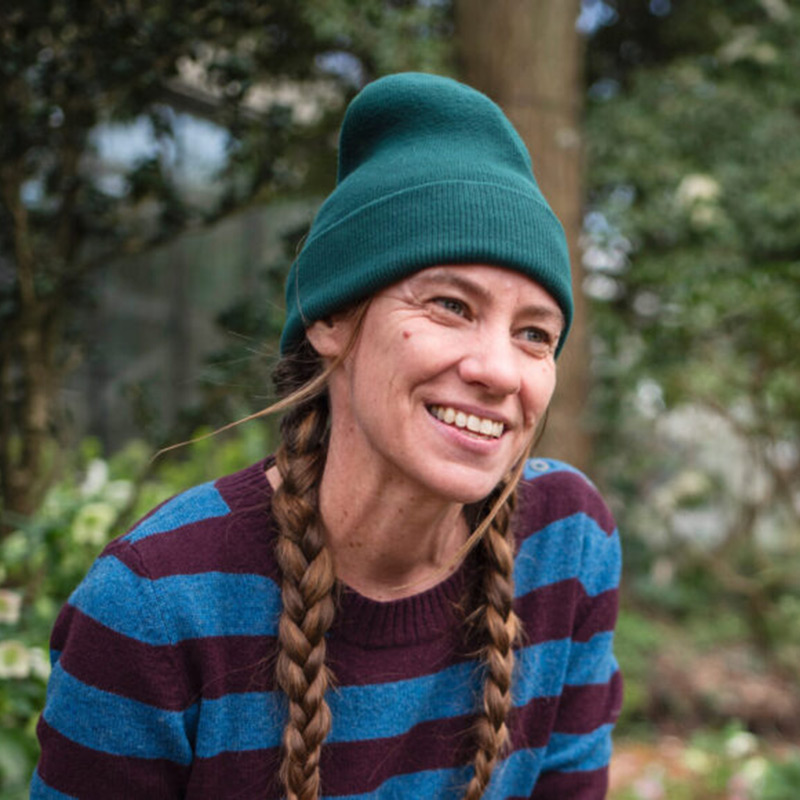
With every new thing we discover about fungi, our astonishment grows, as we realise they’re the foundation of all life on Earth and, consequently, of our agricultural system. Toby Kiers has been studying fungi since she was 19, and last year her groundbreaking research earned her the prestigious Tyler Prize for Environmental Achievement.
Read more...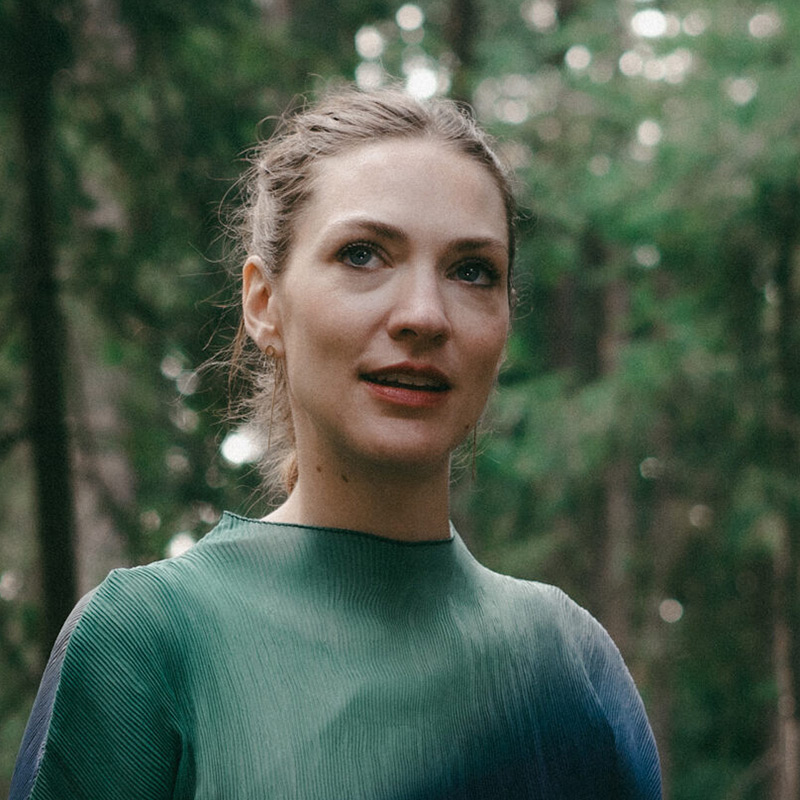
In the boreal forests of Scandinavia lives Europe’s last remaining Indigenous people: the Sámi. Their centuries-old knowledge of the ecosystems they live with is little known. Just as overlooked is the importance of the boreal forests themselves – ecosystems comparable to the Amazon, yet disappearing at an alarming rate. To help protect both these landscapes and their original guardians, Lilian Bosch started a foundation together with the Sámi. “My role is mostly to listen."
Read more...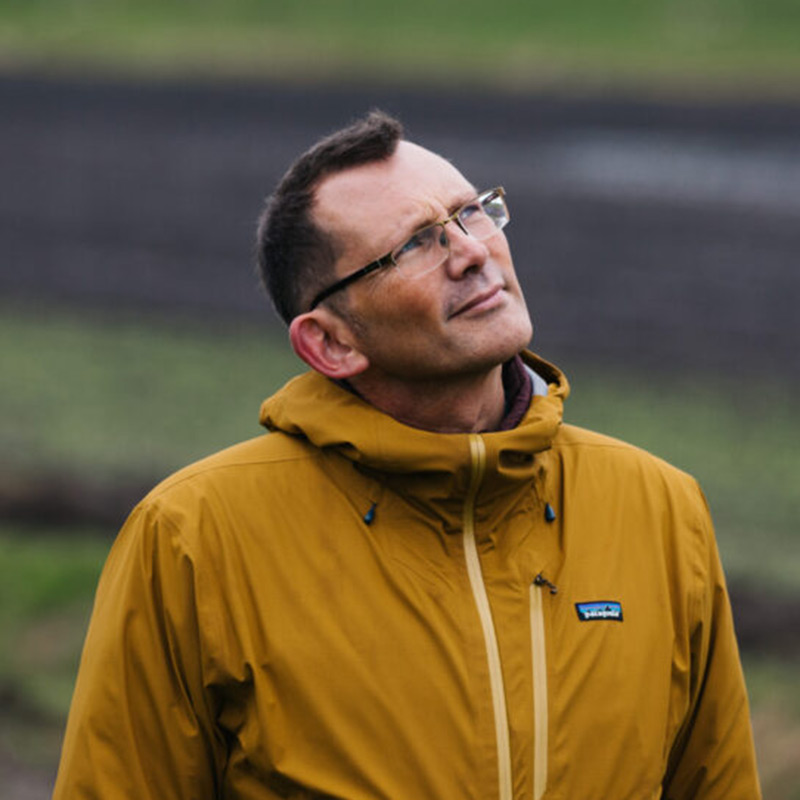
Rob Hopkins has spent the past decades exploring one question: what if we could fall in love with the future? As co-founder of Transition Network and Transition Town Totnes, and author of four books, he travels the world helping communities cultivate imagination, longing and possibility. He believes that the transition we so urgently need depends on one thing above all: imagination.
Read more...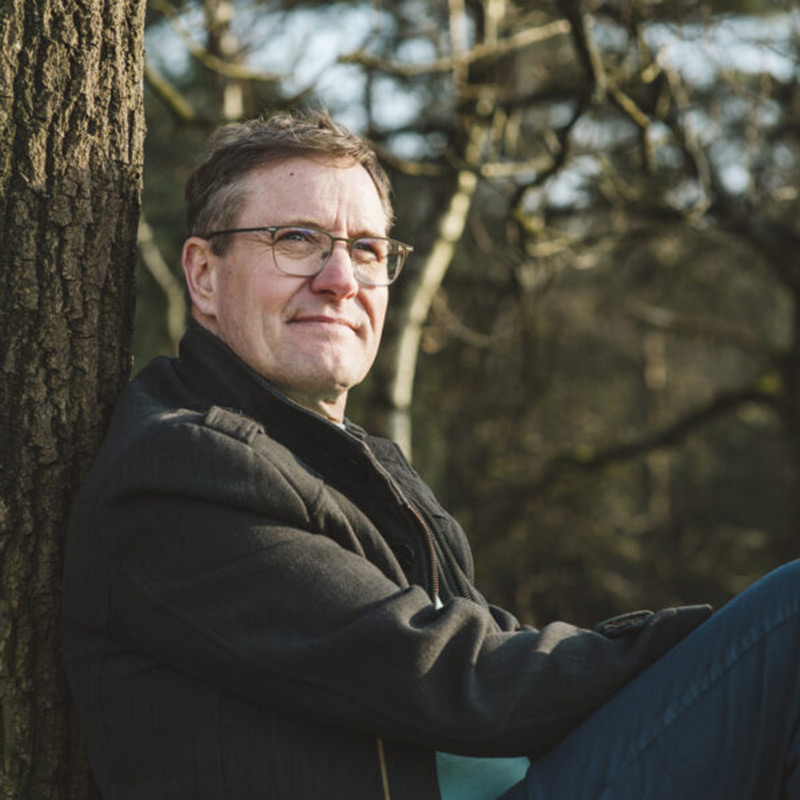
To transform the economy, we must first get back to the deeper question of what it means to be human, argues activist, researcher and author Kees Klomp. In his new book Ecoliberalism, he calls for an economic and political system rooted in the wisdom of the living world. “We need to rebuild the economy based on the universal ecological principles that have governed life for nearly four billion years”, he says.
Read more...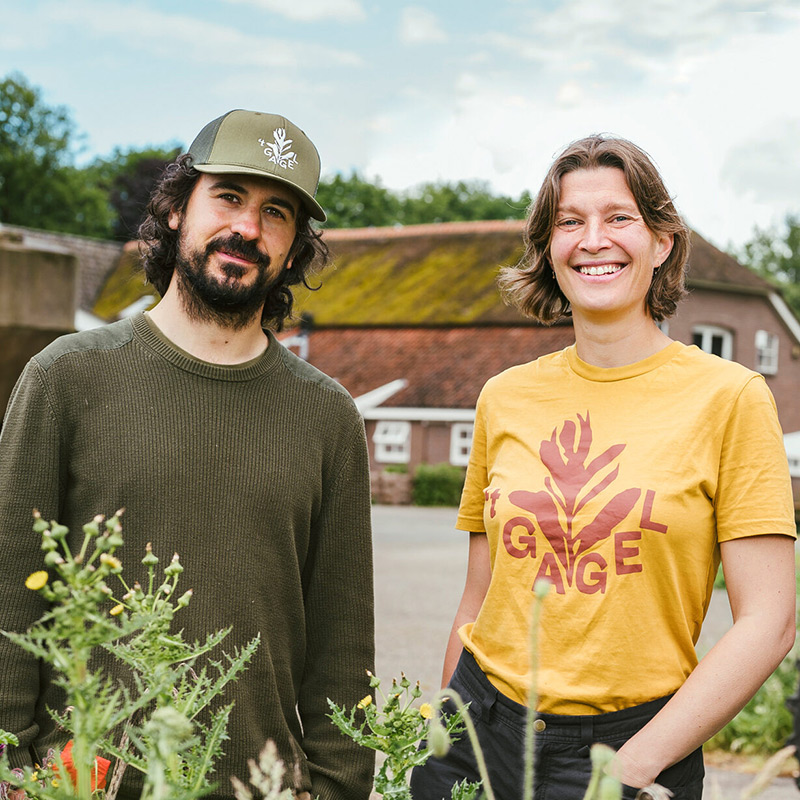
Staying the night in an edible landscape, taking a course in regenerative entrepreneurship or sharing a nourishing meal – in the Dutch town of Lochem, the regenerative possibilities are endless. Here, four enterprising farmers run ’t Gagel. The harvest of their regenerative farm is not limited to nourishing food, but also consists of healthy soils, biodiversity, an engaged community, inspired people and even a resilient economy – one that can endure for generations to come. “In everything we do, we work towards more life.”
Read more...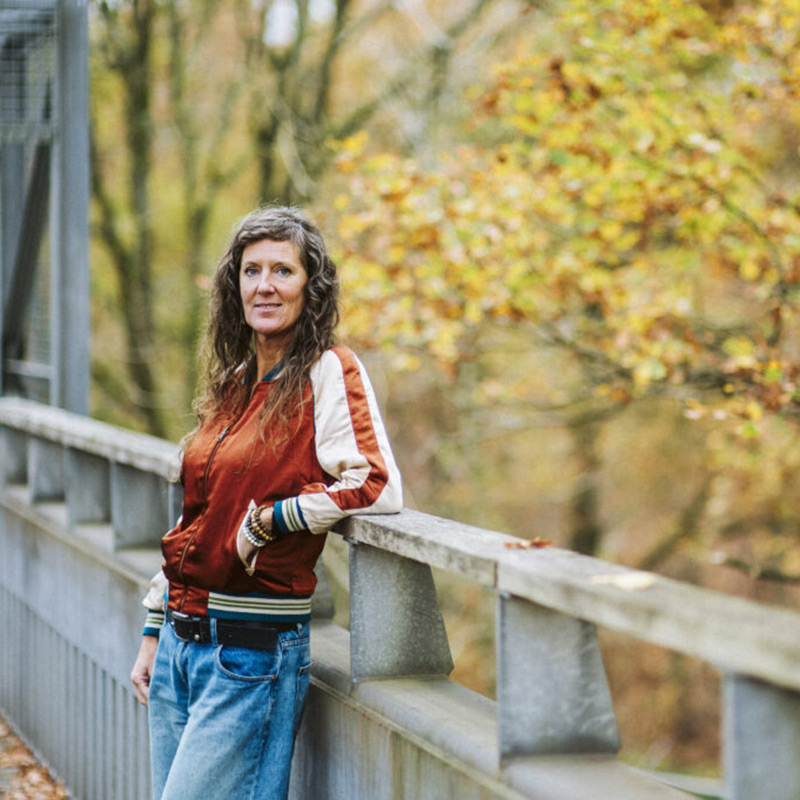
“Whales, plankton, fungi, trees, wolves – all of them leave our planet better off than before, and they’ve been doing this for hundreds of millions of years”, says biologist Leen Gorissen. This is why she advocates for Natural Intelligence: to align with and embody the wisdom of living systems, including in how we design our economies. “Only what is reciprocal, regenerative and resilient can last over the long haul.”
Read more...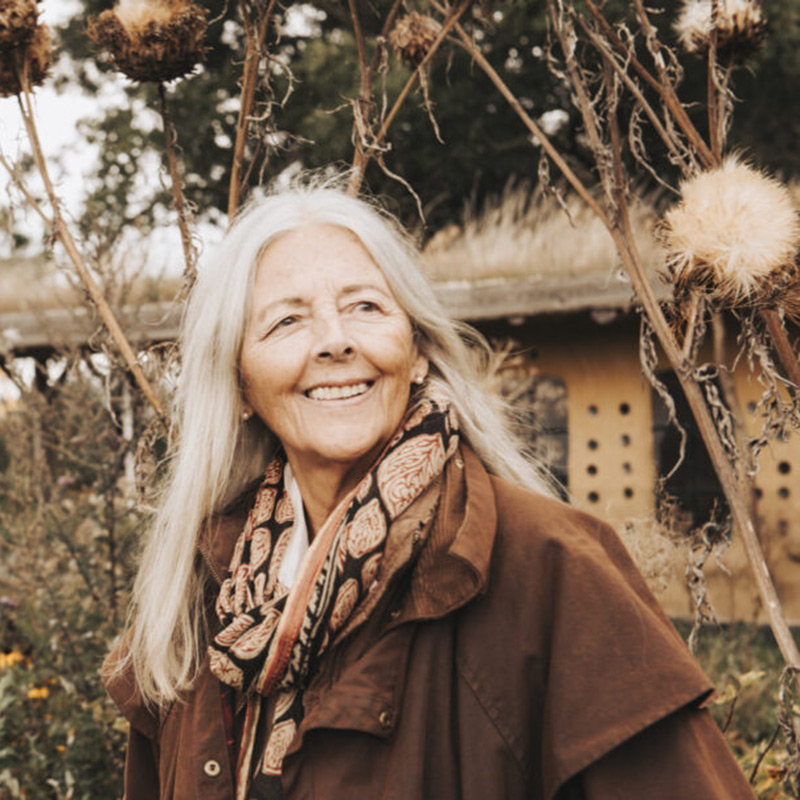
For over half a century, Helena Norberg-Hodge has been a leading voice in the movement towards localised economies, with a central focus on food systems. Her work calls for a reorientation – one that prioritises the true needs of people and the Earth over corporate profits. “The global economy is impoverishing us all”, she says, “even the middle classes, who are now running faster and faster, trapped in a system that is chewing up the living planet.”
Read more...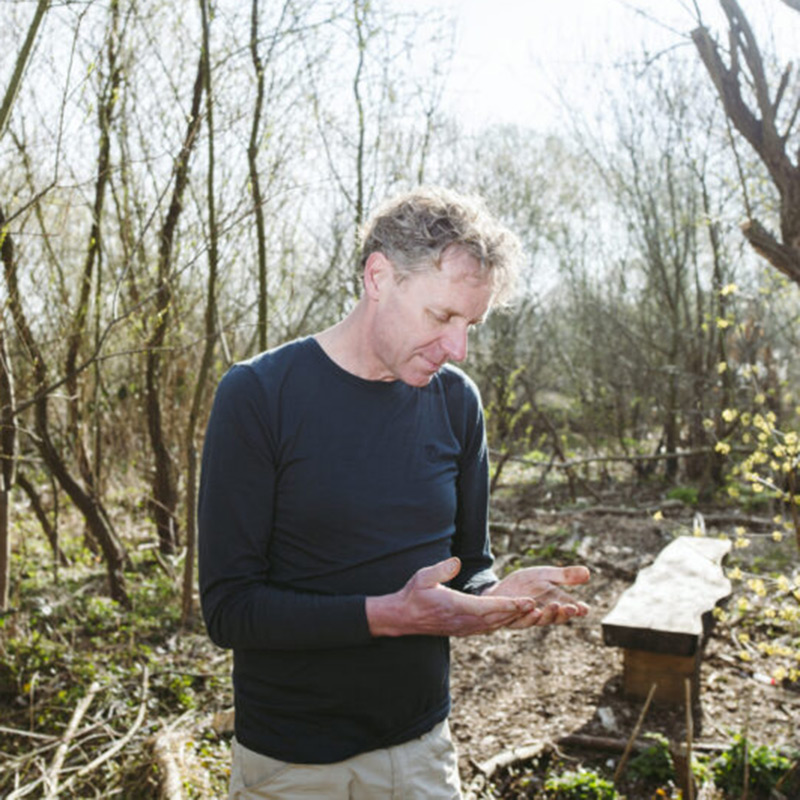
Bacteria are not our enemy – they’re our allies. Losing touch with these invisible companions has profound consequences for our health. Marco van Es, founder of the Dutch foundation Bac2nature, is on a mission to make the link between microbial diversity and human wellbeing more widely understood. “The impact microbes have on our health is one of the most important discoveries of the past 200 years.”
Read more...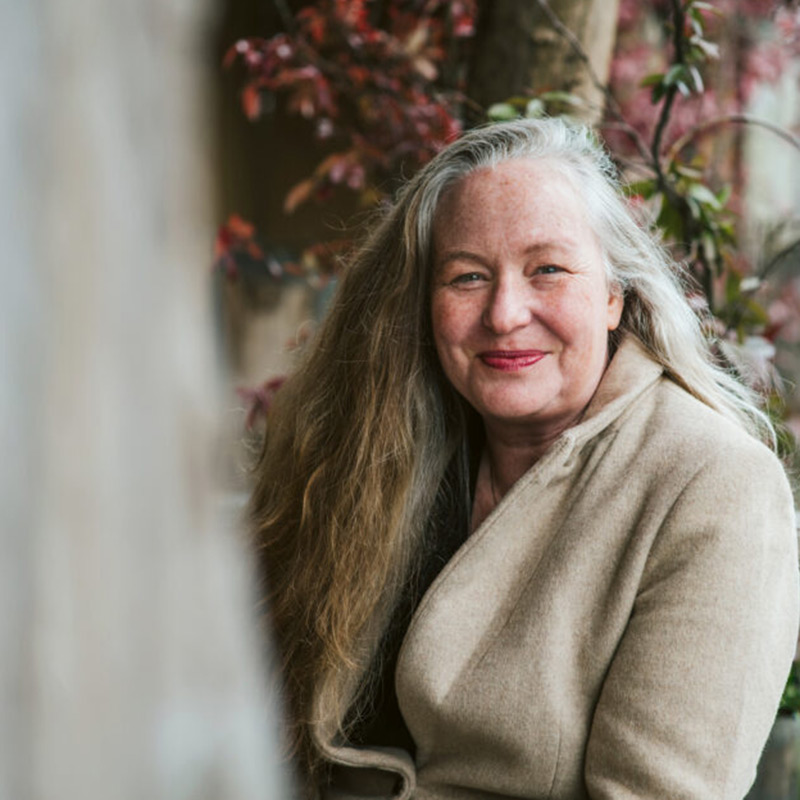
“Applying static data to a living world is dangerous – especially when it comes to preserving our planet”, says Nora Bateson, award-winning filmmaker, writer and president of the International Bateson Institute. Following in the footsteps of her father Gregory Bateson, she extends the family legacy into new territory by asking how our ways of knowing shape our collective future. Through her work on warm data, Bateson warns of the risks of reductionist thinking in education, healthcare and food systems, insisting instead that “who we are, our health, the wellbeing of generations to come – these are all interconnected ecological systems.”
Read more...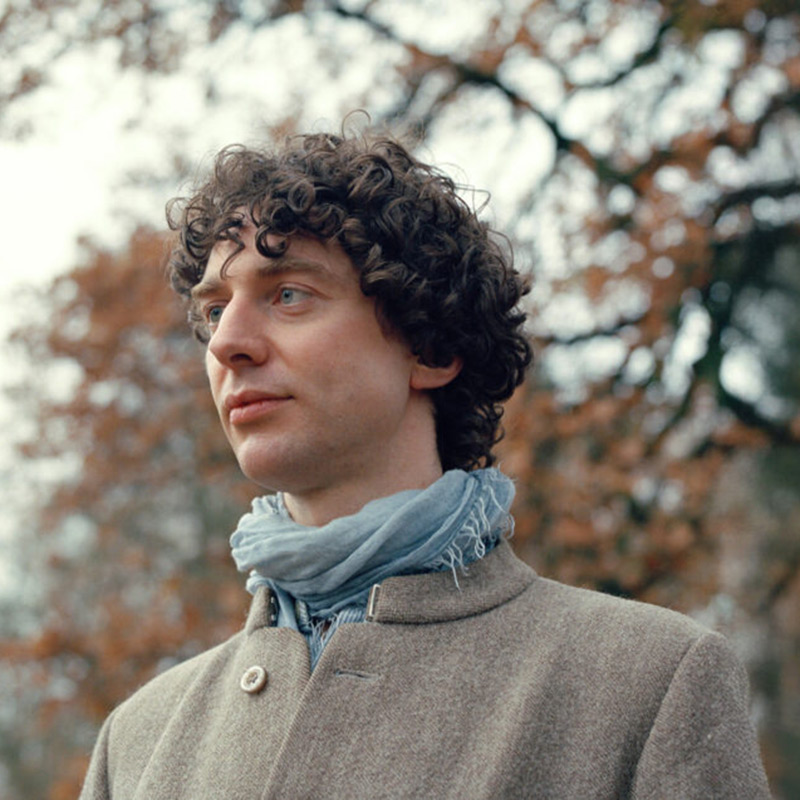
“There are so many ways to be alive, to solve problems – and fungi remind us of that”, says Merlin Sheldrake, the British biologist and bestselling author of Entangled Life. Renowned for his lyrical yet rigorous explorations of the fungal kingdom, Sheldrake has helped bring mycorrhizal fungi into mainstream ecological thinking. These hidden networks feed plants, build soil, store carbon and sustain biodiversity – yet, as he warns, “there’s still a kind of fungal blindness, and it leads to all sorts of oversights.” In this interview, he calls for a deeper, more imaginative engagement with the living world beneath our feet.
Read more...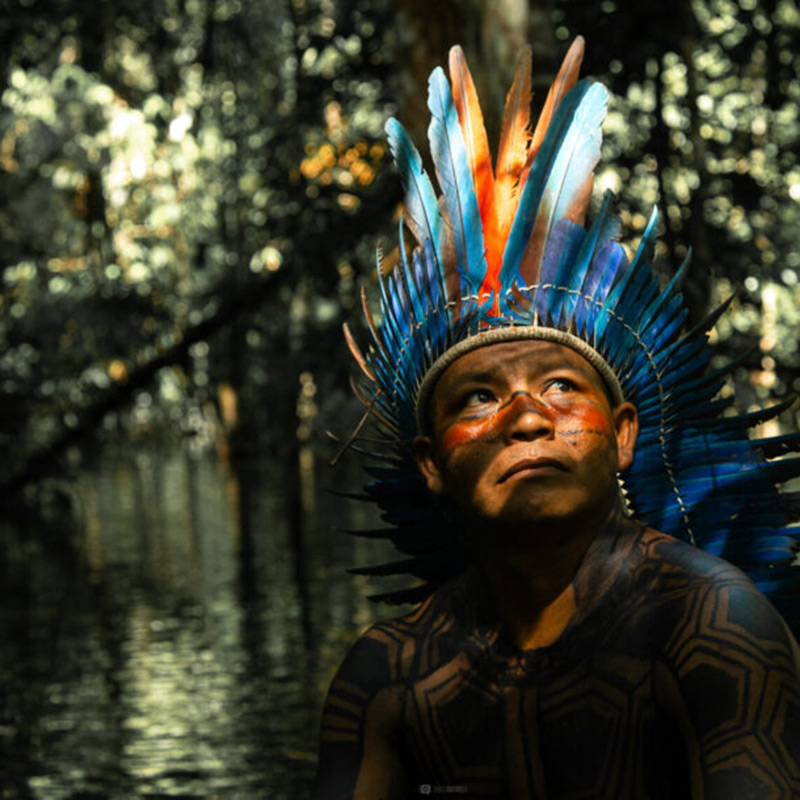
Indigenous leader Odair Dadá Borari – better known as Dadá – grew up in the heart of the Amazon rainforest. To save the ecosystem that supports all life on Earth, he teamed up with Dutch criminologist Tim Boekhout van Solinge. Together, they train and equip indigenous forest guardians to leverage modern technologies and put a stop to illegal deforestation. “I know when the forest cries for help”, says Dadá. “We need to respect her boundaries.”
Read more...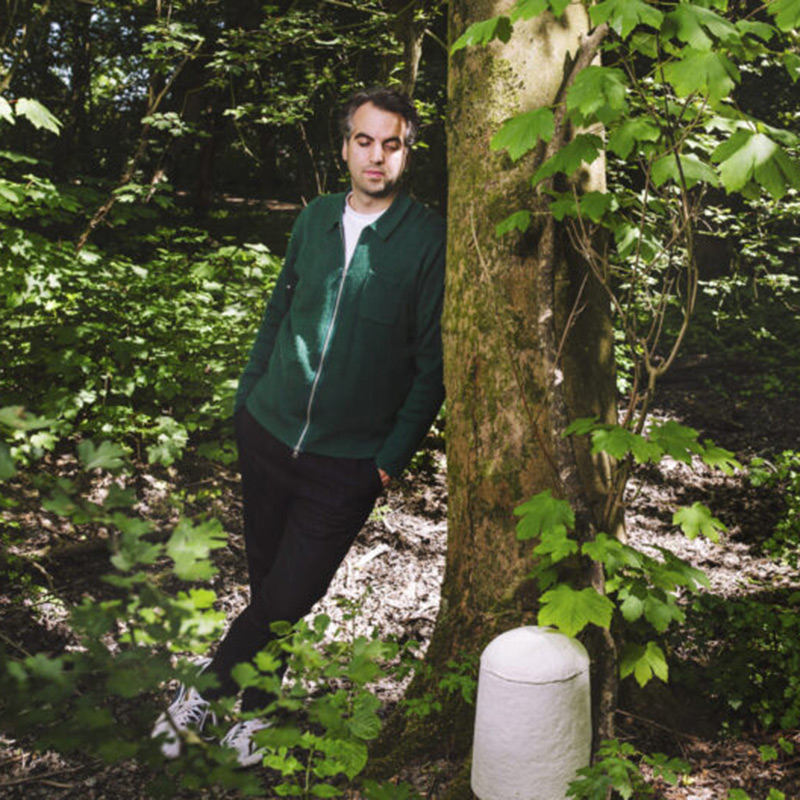
A coffin that doesn’t pollute, but brings back life to the soil – that’s the essence of Loop Biotech, the company founded by Bob Hendrikx and Lonneke Westhoff. Their living coffins, made from mycelium, decompose within 45 days, nourishing the earth in the process. More than 2,500 people across Europe have already been buried in them. According to Bob, it’s only the beginning: “We’re opening the door to an economy of living products – a system not based on depletion, but on regeneration.”
Read more...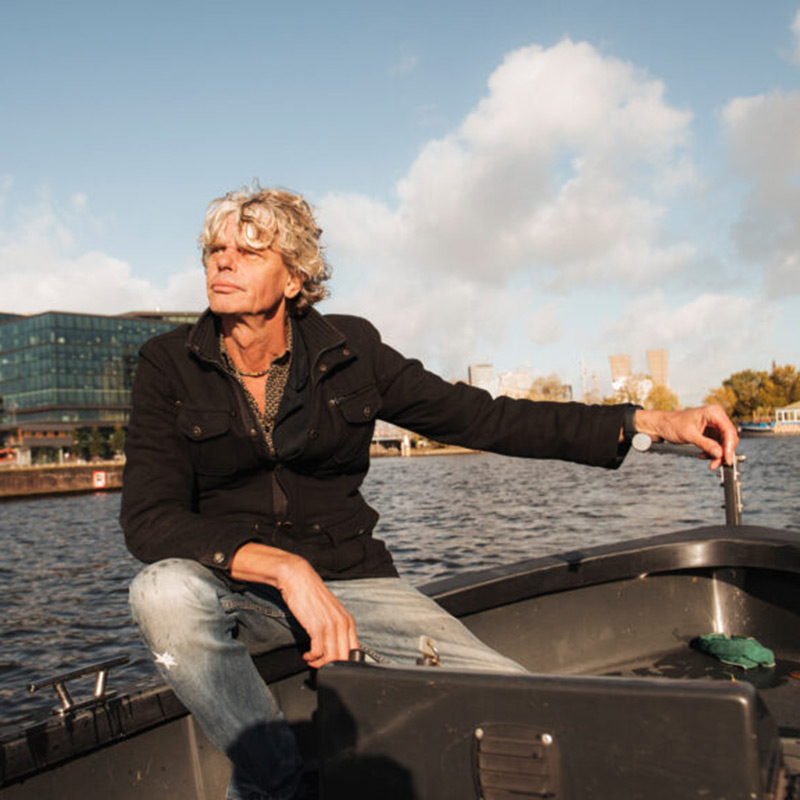
Photographer and filmmaker Kadir van Lohuizen has spent years investigating some of the world’s most complex challenges. From rising sea levels and migration to the waste crises engulfing megacities, his work leaves no stone unturned. For his latest project, Food for Thought, Van Lohuizen travelled across continents to reveal the hidden truth of our food system. “There were moments”, he reflects, “when the sheer weight of what I discovered left me reeling.”
Read more...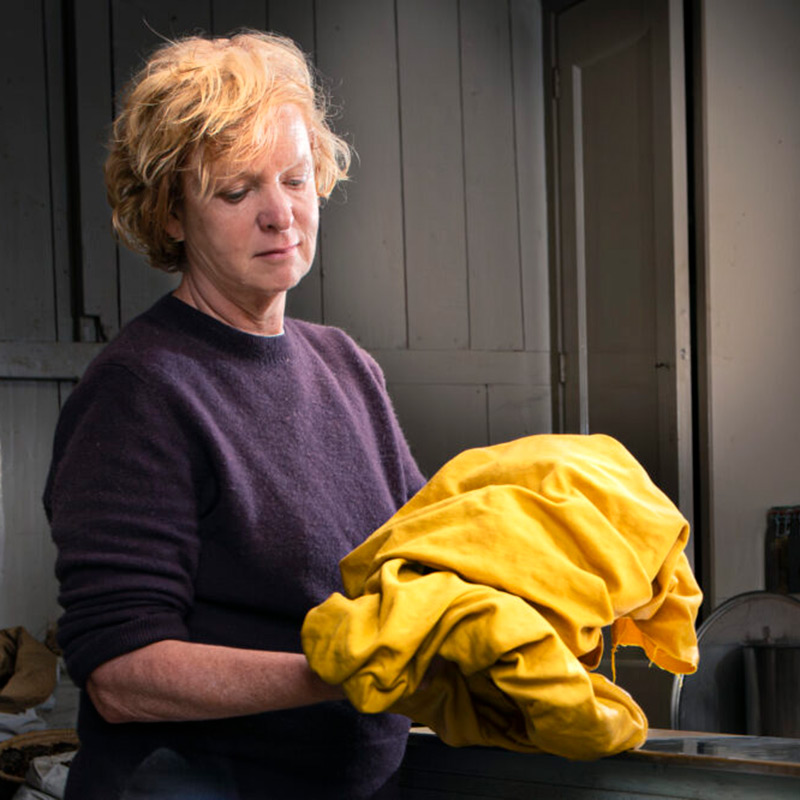
For over thirty years, Claudy Jongstra’s textile artworks, crafted from local materials such as wool and natural dyes, have captivated audiences from Paris to New York. She advocates for a renewed appreciation of artisanal knowledge, a slower, more deliberate pace of life, and living in connection with all beings. “It’s what our solistic society needs,” she asserts.
Read more...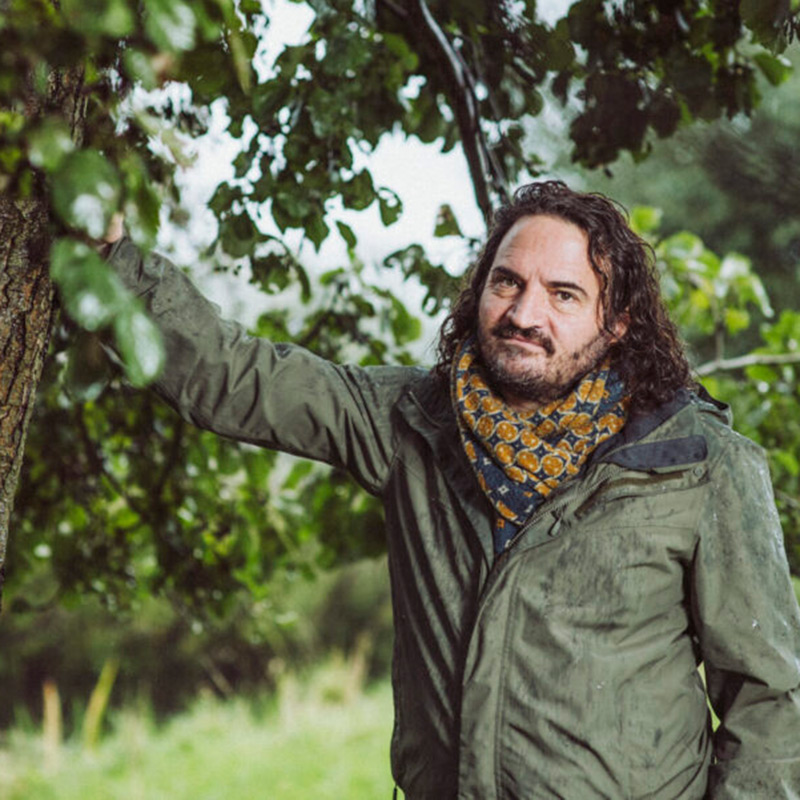
The idea that regenerative agriculture cannot feed the world and will lead to higher supermarket prices is a myth, argues agroecologist Pablo Tittonell. He is on a mission to dismantle this misconception. “Intensive agriculture is not a good model: it’s bad for nature, bad for consumers, and bad for farmers.”
Read more...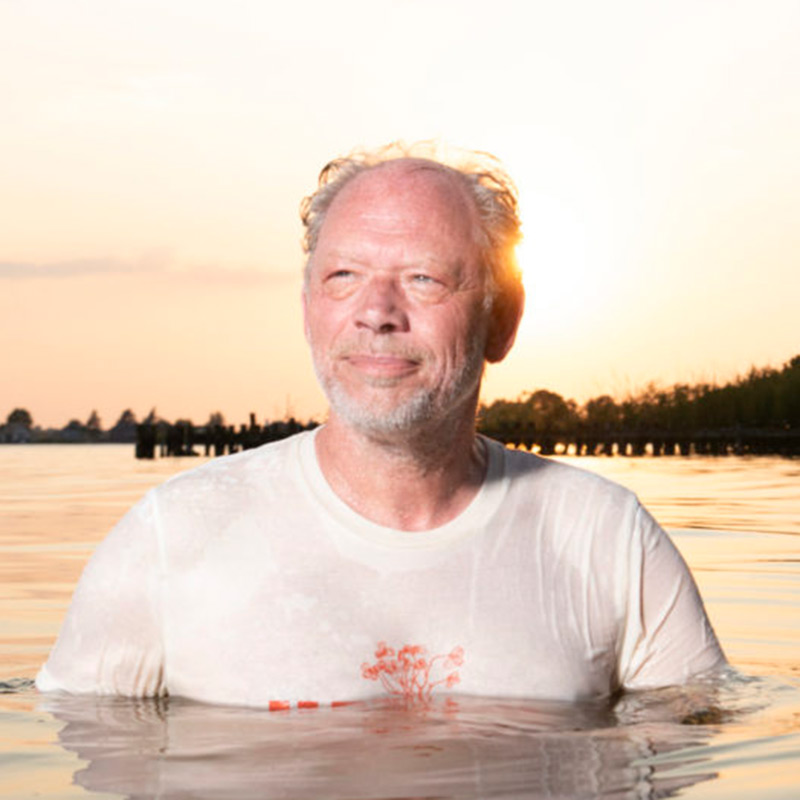
Creating a world in which we live in balance with our planet within ten years time: that is the goal of Decade of Action, starting with our food and agricultural system. Mark Aink, who founded the act-tank together with Li Hoekstra in 2020, says: “We are an undercurrent now, a swell, but soon we will become a wave.”
Read more...